Updated June 7, 2026.
TL;DR: Progressive lenses are worth it when you want one pair for distance, intermediate distance and reading, but they require precise measurements and a short adaptation period.
Progressive lenses sound complicated to many people because they do not have a visible line like bifocals, yet they combine several vision zones. When they are measured well and explained properly, they can be very practical for work, driving and everyday life.
Quick Answer
Progressive lenses are a good choice if you often take off distance glasses to read or constantly switch between several pairs. They are not ideal if you expect an instantly perfect feeling without adaptation, or if the frame is not suitable for the required lens height.
How to Make a Good Decision
Before buying, clarify where you use your vision most: driving, screen work, reading, sales, workshop tasks or working with people. This helps the optician recommend the right progressive design.
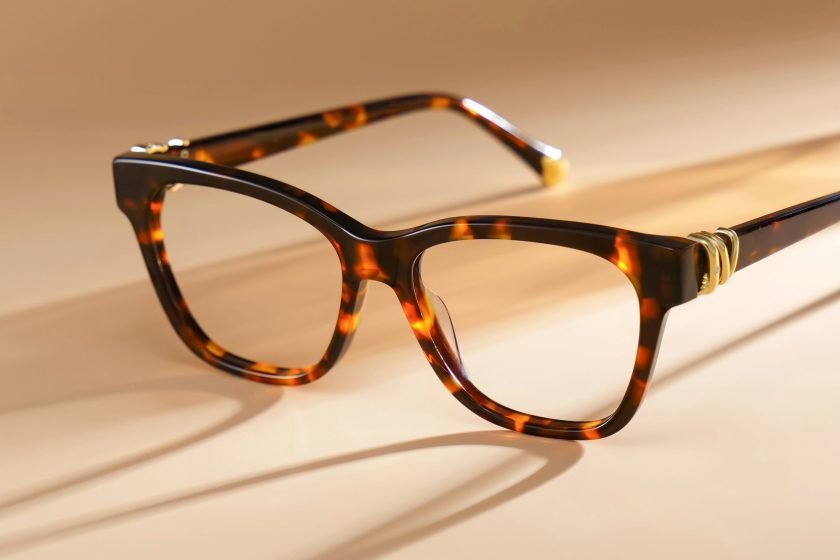
- Choose a frame with enough height for progressive lenses.
- Ask for precise centration in the chosen frame.
- Ask what the adaptation period usually feels like.
- Explain what you use your glasses for most.
- Come for a control adjustment if the feeling is not stable.
What Progressive Lenses Do
The upper part of the lens is for distance, the middle for intermediate distance and the lower part for near vision. The transition is gradual, without a visible line, so the glasses look more natural.
The wearer learns to direct the gaze through the right zone. This is the main reason why the explanation before collecting the glasses is so important.
Adaptation Is Normal
In the first days, you may feel that you need to move your head or gaze differently. That is not unusual. The brain adapts to the lens zones and the way of reading.
If the feeling does not improve after a reasonable period, you should not simply endure it. The frame, centration or lens design may need checking.
Where the Most Common Mistakes Happen
The most common mistakes are a frame that is too small, imprecise measurements, poor frame position on the nose and the unrealistic expectation that a progressive lens works exactly like three separate pairs.
The quality of the consultation matters here as much as the lens brand, because one wrong parameter can spoil even a more expensive product.
Local Advice for Subotica
For customers from Subotica, we recommend collecting progressive lenses in person, with a short explanation of the vision zones. After a few days of wear, a frame adjustment can further improve comfort.
Frequently Asked Questions
How long does adaptation to progressive lenses take?
For many people, a few days to two weeks. If discomfort is strong or does not decrease, a check is needed.
Can progressive lenses be used for computer work?
They can, but if you mostly work at a screen, office lenses sometimes offer wider comfort for intermediate distance.
Is every frame suitable for progressives?
No. The frame must have enough height and a stable fit for the lens zones to be useful.
Key Terms
Progressive lens: A multifocal lens with a gradual transition from distance to near vision.
Corridor: The zone through which the gaze moves from distance toward near vision.
Individual measurements: Parameters taken on the wearer’s face and in the specific frame.
Next Step
If you are thinking about progressive lenses, visit Optika PerfectVision in Subotica and bring your existing glasses so we can assess your viewing habits together.